
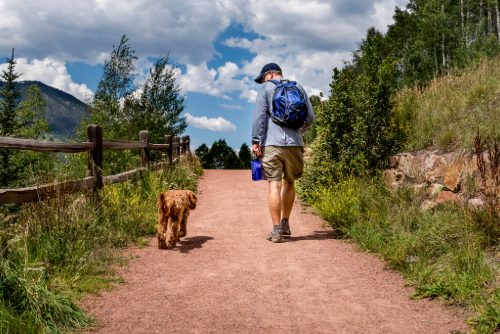
Dogs can get altitude sickness, and the effects often mirror what people experience when adjusting to high elevations. Pets can feel the strain of thinner air, rapid elevation changes, and reduced oxygen levels, especially when visiting places like the Rocky Mountains or exploring Colorado’s high-country trails. Knowing how altitude affects dogs helps you plan safer adventures and recognize when it’s time to pause and check in with your pet. If you ever have concerns about altitude-related symptoms during your travels around Denver, Platt Park Veterinary Hospital is here to help. You can call (303) 879-1090 to schedule a visit or speak with our team.
The Effects of High Altitude on Dogs and Cats
As more people travel, hike, or relocate to higher elevations, many bring their pets along. While dogs and cats often adapt well, high altitude can affect them in many of the same ways it affects humans.
In people, altitude-related illness most commonly occurs when ascending rapidly to sleeping altitudes above 3,000 meters (~9,840 ft). To reduce risk, gradual acclimatization is recommended—spending two to three nights at 2,500–3,000 meters (~8,200–9,840 ft) before ascending higher, and adding an extra night of acclimatization for every additional 600–900 meters gained. Although pets cannot tell us when they feel unwell, similar principles apply to them.
How Altitude Affects the Body
At higher elevations, the air contains less oxygen. This leads to hypoxemia—lower oxygen levels in the bloodstream—which can result in:
- Decreased exercise tolerance
- Lethargy
- Increased respiratory rate
- Mild weakness
- Muscle soreness or stiffness
- Possible headaches (which may present in pets as restlessness, sensitivity, or behavioral changes)
At very high altitudes, more serious conditions can occur, including pulmonary edema (fluid accumulation in the lungs) and cerebral edema (brain swelling). These conditions are rare but potentially life-threatening.
Special Risks for Pets with Heart or Lung Disease
Pets with underlying respiratory or cardiac disease are at significantly higher risk for altitude-related complications. Reduced oxygen levels can increase pressure within the pulmonary arteries, leading to or worsening pulmonary hypertension. Dogs and cats with pre-existing heart or lung disease may:
- Develop symptoms more quickly
- Experience worsening of previously stable disease
- Show signs such as coughing, labored breathing, fainting, weakness, or exercise intolerance
In some cases, dogs with underlying heart disease who move permanently from lower elevations to cities like Denver (the “Mile High City,” ~5,280 ft) or to even higher elevations may experience progression of their condition or become symptomatic for the first time If you have an older pet and have recently relocated to a higher altitude, it is wise to schedule a veterinary evaluation to screen for underlying heart or lung disease—particularly if you notice changes in stamina, breathing, comfort, or behavior.
Practical Tips for Traveling or Moving to Altitude with Pets
- Ascend gradually whenever possible.
- Limit exercise during the first several days at altitude.
- Ensure constant access to fresh drinking water, as hydration is critical for circulation and oxygen delivery.
- Monitor for signs of labored breathing, persistent coughing, weakness, collapse, unusual discomfort, or behavioral changes.
- Seekveterinary care promptly if concerning symptoms develop.
The Bottom Line
High altitude affects mammals in similar physiological ways. While most healthy dogs and cats adjust without difficulty, gradual acclimatization, adequate hydration, exercise moderation, and close observation are key preventive measures. Pets with known—or suspected—heart or lung disease require special caution and veterinary guidance before traveling to or relocating at higher elevations.
If you have any concerns while hiking, traveling, or settling into a higher-elevation area, you can reach the team at Platt Park Veterinary Hospital by calling (303) 879-1090.
When Should You Contact Your Denver Veterinarian?
Understanding whether or not dogs can get altitude sickness helps you decide when to reach out for veterinary support. Some dogs adjust quickly, while others need more time and monitoring. If you notice changes that persist, worsen, or feel out of the ordinary, contacting a veterinarian gives you clarity and peace of mind.
Veterinarians can assess your dog’s breathing, hydration, overall comfort, and how their body is responding to elevation. Pets visiting Denver or traveling into Colorado’s mountain regions benefit from early evaluation when altitude symptoms appear. If you’re uncertain whether your dog can get altitude sickness, speaking with a professional helps you move forward confidently. Call (303) 879-1090 to schedule a visit with Platt Park Veterinary Hospital.
Recent Posts
About Us
At Platt Park Veterinary Hospital in Denver, CO, we combine advanced veterinary care with the personal touch of a neighborhood practice. Whether it’s a routine checkup or a complex procedure, we treat every pet like family in a warm, welcoming space.