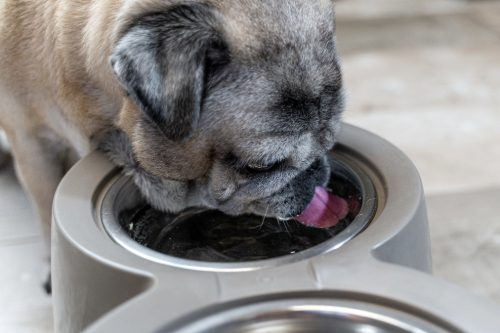
Senior dogs often begin drinking more water as part of the aging process, but persistent or noticeable increases in thirst can signal an underlying change in their health. When you’re curious about your old dog drinking a lot of water, you’re usually trying to understand why this behavior is happening and when to involve your veterinarian. Increased thirst in older dogs also known as polydipsia can stem from several age-related conditions, routine lifestyle changes, or environmental factors.
Platt Park Veterinary Hospital in Denver, CO supports pet owners by helping them recognize shifts in their dog’s habits and understand what those shifts might mean. If your old dog is drinking a lot of water more frequently than before or seems unusually thirsty, a checkup can help identify the cause. Call (303) 879-1090 to schedule an appointment and receive guidance that supports your pet’s ongoing health.
Why Your Old Dog Is Drinking a Lot of Water
Senior dogs often experience changes in metabolism, appetite, and thirst as they grow older. When you notice your old dog drinking a lot of water, it can feel sudden, but the behavior typically builds over time. Aging bodies process nutrients differently, and the kidneys, digestive system, and endocrine system shift as part of that natural process. While an older dog may drink more water during hot weather, after activity, or when eating certain foods, steady increases in thirst can point toward something more significant. Each cause affects the body in a unique way, and understanding these patterns helps you discuss your observations clearly with your veterinarian at Platt Park Veterinary Hospital.
Age-Related Metabolic Shifts
Metabolism slows with age, and the kidneys may work harder to filter fluids. When the kidneys lose efficiency, the body prompts dogs to drink more water to support this process. As a result, you may see an old dog drinking a lot of water throughout the day or waking up at night to visit the water bowl. These gradual changes often become more noticeable once your dog reaches their senior years. While these shifts don’t always indicate a specific illness, they do show that the body is managing fluids differently than before. Your veterinarian may ask about the timing, volume, and frequency of your dog’s water intake to understand the full picture.
Endocrine System Changes
Hormonal balance plays a major role in hydration, appetite, and energy levels. Conditions affecting the endocrine system often cause an old dog to drink a lot of water because hormones influence how the body regulates thirst. Veterinarians commonly monitor senior pets for thyroid and adrenal gland changes, which may contribute to increased drinking. Dogs often show additional signs such as increased appetite, restlessness, or changes in coat texture when endocrine shifts occur. While these changes are common in older pets, they always deserve attention because early detection helps guide long-term care decisions.
Environmental and Lifestyle Factors
Not every old dog drinking a lot of water has an underlying medical issue. Weather, activity level, and diet can influence how much water a dog needs each day. Dogs who spend time outdoors in Denver’s dry climate may drink more to stay hydrated. Senior dogs also tire more easily, and what seems like mild exercise can prompt them to drink a lot afterward. Diets that include more sodium or dry kibble naturally encourage increased water intake as well. Even small adjustments in routine such as new treats, different feeding times, or more frequent walks can affect hydration patterns.
Common Conditions Linked to an Old Dog Drinking a Lot of Water
When your old dog drinks a lot of water consistently, veterinarians look at several common health conditions that may explain the change. These conditions affect older pets more frequently and can influence hydration, thirst, and urination. Platt Park Veterinary Hospital evaluates each dog individually, considering age, medical history, and daily habits. This approach helps pinpoint why your old dog is drinking a lot of water and which diagnostic steps may follow.
Kidney-Related Causes
The kidneys help manage hydration, filter waste, and balance electrolytes. As dogs age, their kidneys may have difficulty performing these tasks efficiently. When the kidneys require more fluid to filter waste, dogs naturally drink more. You might see your old dog drinking a lot of water after meals, during the night, or whenever the bowl is full. Kidney-related changes often occur gradually, so early recognition helps your veterinarian build a long-term health plan.
Changes in the Urinary System
Increased thirst often pairs with increased urination. If your old dog drinks a lot of water, you may also find more frequent bathroom trips, accidents indoors, or urgent requests to go outside. These signs help veterinarians determine whether the urinary system is contributing to the shift in hydration. Because urinary changes are common in senior dogs, regular checkups play an important role in evaluating patterns and guiding next steps.
Endocrine Disorders
Hormone-related conditions influence metabolism and hydration. When evaluating an older dog with this behavior, veterinarians often look for patterns connected to behavior, appetite, and energy. Additional signs may include a fuller abdomen, changes in coat quality, or shifts in weight. These signs help build a complete picture and support timely diagnostic testing.
Liver-Related Factors
The liver helps process nutrients and maintain chemical balances in the body. When the liver works harder, the body may respond by encouraging more water intake. While liver-related concerns are less common than kidney or endocrine causes, they still play a role in senior-pet health and hydration patterns.
How Veterinarians Evaluate an Old Dog Drinking a Lot of Water
Veterinarians approach a case of an older dog drinking a lot of water by gathering a complete history and observing key patterns. The goal is to understand whether the increased thirst is linked to routine aging or something that needs closer attention. Platt Park Veterinary Hospital uses a step-by-step process to evaluate your dog’s hydration changes without causing unnecessary stress.
Initial Observations and History
Your veterinarian will ask questions about when you first noticed your old dog drinking a lot of water, how much they drink compared to before, and whether urination has changed. They may also ask about diet, activity level, weather exposure, behavioral shifts, and any recent changes at home. These details help create a clear timeline.
Physical Examination
A hands-on exam provides information about hydration, muscle condition, weight changes, coat health, and overall comfort. Veterinarians use these findings to identify potential patterns commonly seen in older dogs.
Diagnostic Testing
Diagnostic tools help determine why an old dog is drinking a lot of water and whether organ systems are contributing to the change. Testing also helps veterinarians monitor long-term health in senior pets.
Ongoing Monitoring
Even when the cause is straightforward, ongoing observation helps track progress and identify new changes early. Senior dogs benefit from regular checkups to support stable hydration patterns and comfort.
How You Can Support Your Senior Dog’s Hydration Habits
Pet owners often wonder how to best support an old dog drinking a lot of water without guessing or trying in-home remedies. Support starts with awareness and communication. Track shifts in your dog’s routines, report changes promptly, and schedule yearly or semi-annual checkups based on your veterinarian’s guidance. Staying attentive to patterns helps you catch new changes early.
If you notice your old dog drinking a lot of water more often than usual, Platt Park Veterinary Hospital in Denver, CO is available to help you understand what that behavior might mean. Call (303) 879-1090 to schedule an appointment and receive guidance tailored to your dog’s age and needs.
Recent Posts
About Us
At Platt Park Veterinary Hospital in Denver, CO, we combine advanced veterinary care with the personal touch of a neighborhood practice. Whether it’s a routine checkup or a complex procedure, we treat every pet like family in a warm, welcoming space.