

Cats can develop respiratory infections from several different viruses, but what is feline herpes? Feline herpesvirus (FHV-1) is a contagious virus that affects the upper respiratory system and the eyes. Many cats carry the virus for life, and symptoms can flare during times of stress. While the condition sounds alarming, veterinarians regularly diagnose and manage it to help cats stay comfortable. If you notice recurring sneezing, nasal discharge, or eye irritation, your veterinarian can guide you through the next steps. Residents of Denver can call Platt Park Veterinary Hospital at (303) 879-1090 to schedule an appointment and learn more about their cat’s symptoms.
Cats with FHV-1 often have ongoing or intermittent signs, which leads many pet owners to ask about feline herpes and how it affects their companion. This guide walks you through how the virus works, how it spreads, and how veterinarians support long-term management.
Feline Herpes Symptoms You May Notice
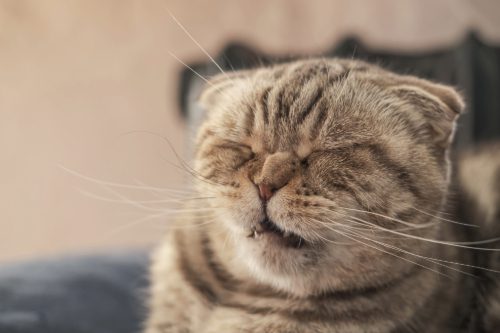
Cats with FHV-1 can display a wide range of signs, and symptoms may develop gradually or appear suddenly. Sneezing is one of the most frequently reported symptoms associated with the question of what is feline herpes, especially during seasonal changes or stressful events. Nasal discharge, congestion, and open-mouth breathing can also occur when a cat feels particularly stuffed up. Many cats develop watery eyes or thick eye discharge that sticks to the fur around the face. Some cats rub or paw at their eyes because they feel irritated. Over time, repeated flares may cause subtle changes in the tissues surrounding the eyes, which your veterinarian can identify during an exam.
Why Symptoms Vary Between Cats
Several factors influence the frequency and severity of flares, including age, immune system strength, and lifestyle. Kittens or senior cats may experience more noticeable signs because their immune systems work harder to respond. Stressful situations like household changes, boarding, or introductions to new pets can also trigger new episodes. Indoor cats are not immune to flares either, especially if they experience environmental stressors or underlying health conditions. Because no two cats respond the same way, veterinary guidance becomes valuable in understanding your cat’s individual pattern.
How Feline Herpesvirus Spreads
Understanding what feline herpes is also involves knowing how it spreads. FHV-1 passes easily from cat to cat through direct contact with saliva, nasal discharge, or eye discharge. Cats living in multi-pet households or shelter environments may be more likely to encounter the virus. Even brief interactions can transmit the virus, making early veterinary evaluation important when symptoms appear. In some cases, the virus can also spread through shared items such as food bowls or bedding, though this happens less frequently.
The virus does not spread to dogs or humans; it affects cats exclusively. This reassurance helps many pet owners feel more comfortable caring for a symptomatic cat. Still, maintaining a clean environment reduces the risk of the virus spreading among cats in the same household. When you ask, “What is feline herpes?”, the viral transmission between cats becomes one of the most important pieces of information to understand. With proper precautions, you can reduce the likelihood of one infected cat exposing another.
The Role of Latent Infection
A key part of understanding what feline herpes is is learning about latent infection. Once a cat contracts the virus, it carries FHV-1 for life. During periods when the virus becomes dormant, your cat may appear completely healthy. However, stressful events or health changes can activate the virus and cause symptoms to return. This lifelong pattern explains why some adult cats experience outbreaks even if their first infection occurred as kittens.
Latent infection also means some cats unknowingly shed the virus without showing obvious symptoms. When living with other cats, this can contribute to continued viral spread. Your veterinarian can help you understand whether a new cat may need additional observation before full integration into a multi-cat household.
How Veterinarians Diagnose Feline Herpesvirus
Owners who ask, “What is feline herpes?” often want to know how veterinarians determine whether FHV-1 is the cause of their cat’s symptoms. Diagnosis typically begins with a detailed history and physical examination. Your veterinarian will assess the eyes, nose, throat, and overall demeanor to pinpoint patterns consistent with viral respiratory infections. Because several respiratory viruses share similar symptoms, your veterinarian may recommend further diagnostic steps.
PCR testing can help identify viral DNA in eye or nasal samples. While this test detects the presence of the virus, your veterinarian also considers the cat’s clinical signs, age, and medical background. For many cats, an accurate diagnosis comes from evaluating the full picture rather than relying on one single test. If you have concerns after learning what feline herpes is, Platt Park Veterinary Hospital can discuss which diagnostic approach fits your cat’s situation.
Additional Diagnostic Considerations
Respiratory symptoms can also occur with bacterial infections, allergies, or other viral conditions. When exploring what feline herpes is, owners sometimes assume every respiratory episode is linked to FHV-1. Your veterinarian may use additional diagnostics to rule out other issues that mimic herpesvirus symptoms. Swabs, bloodwork, or imaging may be recommended based on your cat’s clinical signs. This careful approach ensures your cat receives the most informed guidance.
Your veterinarian may also evaluate whether chronic changes to the eyes have occurred. Some cats experience recurrent conjunctivitis or corneal inflammation from long-term viral impact. Understanding these findings helps your veterinarian discuss your cat’s ongoing management needs.
What Triggers FHV-1 Flares in Cats
Once you learn what feline herpes is, it becomes clear that flare-ups follow specific patterns. Stress remains one of the most common triggers. Cats respond strongly to environmental or routine changes, which can activate the virus. New pets, moves, loud noises, or schedule disruptions can all influence flare timing. Even small changes can cause sensitive cats to experience symptoms they have not shown in months.
Underlying health issues may also contribute to more frequent outbreaks. When a cat’s immune system works harder due to illness, dental disease, or age, the virus may take advantage of those moments. Seasonal temperature changes, travel, and recovery from unrelated medical conditions may encourage new viral episodes. Understanding these triggers helps you anticipate the circumstances in which your cat may need additional monitoring. If you wonder whether your cat’s recent flare relates to what is feline herpes, Platt Park Veterinary Hospital can offer guidance tailored to your cat’s lifestyle.
Living With a Cat Who Has FHV-1
Many cats with FHV-1 live full, happy lives. Pet owners who ask, “What is feline herpes?” often feel relieved to learn that long-term comfort is achievable. The key is recognizing the early signs of a flare and seeking timely veterinary support. While flare cycles vary, many cats settle into predictable patterns over time. Observing your cat’s behavior, appetite, and eye appearance helps you recognize when symptoms begin. Creating a stable environment helps reduce flare frequency. Cats respond well to predictable routines, calm spaces, and minimal disruptions. Your veterinarian can provide insight into environmental adjustments that support your cat’s comfort.
What Cat Owners Should Take Away From This Viral Condition
Understanding what feline herpes is empowers you to recognize symptoms early and support your cat’s long-term comfort. While the virus remains in a cat’s system for life, many pets experience long stretches without noticeable symptoms. With a consistent routine, careful monitoring, and regular veterinary guidance, you can help your cat navigate flare-ups with confidence. If you live in Denver and want help determining whether your cat’s symptoms relate to FHV-1, call Platt Park Veterinary Hospital at (303) 879-1090. Our team can answer your questions, evaluate your cat, and provide the support you need.
Recent Posts
About Us
At Platt Park Veterinary Hospital in Denver, CO, we combine advanced veterinary care with the personal touch of a neighborhood practice. Whether it’s a routine checkup or a complex procedure, we treat every pet like family in a warm, welcoming space.