

Melanoma in dogs refers to a type of cancer that forms from pigment-producing cells called melanocytes. These cells exist in the skin, mouth, and nail beds, which means melanoma can appear in several places and take on different forms. Many pet owners first notice a suspicious lump, a dark spot that changes over time, or swelling in the mouth or paw. Because melanoma in dogs can behave aggressively, early veterinary evaluation helps guide next steps and supports your pet’s comfort. If you see something unusual on your dog’s skin or around their mouth, Platt Park Veterinary Hospital in Denver, CO can help you move forward with clarity. Call (303) 879-1090 to schedule an exam.
Melanoma in dogs raises many questions for families, and you deserve clear, supportive information. The more you understand the nature of melanoma in dogs and where it tends to appear, the easier it becomes to spot early changes and seek timely veterinary care. This blog walks you through the most common forms, noticeable signs, diagnostic steps, and what to expect during the evaluation process.
How Melanoma In Dogs Develops
Melanoma in dogs begins when melanocytes grow in an uncontrolled way. These cells normally produce pigment and help determine your dog’s skin and coat color. When they multiply abnormally, they form a mass that may look dark, raised, or irregular. While melanoma in dogs often appears on the skin, the most concerning types typically develop in the mouth or nail beds.
Melanoma in dogs can vary widely in appearance. Some tumors stay relatively slow-growing, while others behave more aggressively. Dogs of any age can develop melanoma, but it appears more often in older pets. Genetic factors, chronic irritation, and certain environmental influences may play a role. Because melanoma in dogs can mimic less serious conditions, pet owners sometimes overlook early warning signs. Staying aware of what changes warrant attention helps your veterinary team make timely decisions.
Locations Where Melanoma Commonly Appears
Melanoma in dogs can form in different anatomical areas. Each location behaves differently and may require a specific diagnostic plan.
Skin (Cutaneous Melanoma)
Skin-based melanoma in dogs typically appears as a dark or pigmented lump. Many of these tumors are benign, but a portion can become malignant. Pets often develop these spots on the limbs, face, or body. Any new skin mass deserves an exam, especially one that changes size, shape, or color.
Mouth (Oral Melanoma)
Oral melanoma in dogs is considered the most aggressive form. It may appear on the gums, lips, or tongue. Dogs with oral melanoma may drool, paw at their mouth, or have difficulty eating. Bad breath can sometimes accompany these changes. Because oral melanoma in dogs grows quickly, prompt evaluation matters.
Nail Bed (Subungual Melanoma)
Nail bed melanoma in dogs can resemble an infected or broken nail. Dogs may limp, lick their paws, or show signs of discomfort around a single toe. Over time, the nail may separate or fall off. These growths tend to behave aggressively as well.
Signs Of Melanoma In Dogs That Pet Owners Notice First
Since melanoma in dogs can appear in several forms, the early symptoms vary. Many of the first changes are subtle, which is why regular at-home monitoring is helpful. Any persistent change in appearance or behavior should prompt a call to your veterinarian.
Melanoma in dogs may appear as a new raised lump, a darkened skin spot, or a pigmented growth that changes quickly. In the mouth, pet owners may notice drooling, difficulty chewing, or visible masses on the gums. Nail bed melanoma can cause swelling around one toe, bleeding, or persistent licking. Dogs may favor a paw or show discomfort during walks.
Early melanoma in dogs does not always cause pain, which sometimes leads families to delay evaluation. Even a calm, active dog can have a concerning growth that needs attention. When you bring your pet to Platt Park Veterinary Hospital, the team carefully assesses the mass and guides you through every step of the process.
Common Behavioral or Physical Changes
- Changes Around the Mouth: Dogs may avoid hard food, drop kibble, or stop playing with chew toys. A dark mass may appear along the gumline or lip. Bad breath sometimes accompanies these changes.
- Skin Masses That Change Over Time: A mole-like spot may grow in diameter, become raised, or change color. Growths that ulcerate or bleed require prompt evaluation.
- Paw and Nail Changes: A swollen toe, loose nail, or persistent limping often signals nail bed melanoma in dogs. Many owners initially assume an injury, but ongoing symptoms point to something more involved.
Tools and Techniques Used to Diagnose Melanoma In Dogs
Veterinarians diagnose melanoma in dogs through a combination of physical examination, imaging, and cytology or biopsy. The goal is to understand whether the tumor is benign or malignant and identify its exact location and characteristics. Because melanoma in dogs behaves differently depending on its type, early and accurate diagnosis guides the treatment plan.
Diagnostic Tools Used in Evaluation
Your veterinarian begins with a thorough physical exam to locate the mass and assess your dog’s overall health. If the growth is on the skin or in the mouth, they will look for ulceration, irregular edges, or unusual pigmentation. For nail bed melanoma, they examine the toe, nail, and underlying tissue. Diagnostic steps provide clarity, helping your veterinarian understand the stage and behavior of melanoma in dogs.
Cytology or Biopsy
A sample of the mass is collected for evaluation under a microscope. This step identifies the type of cells present and confirms whether melanoma in dogs is responsible for the changes.
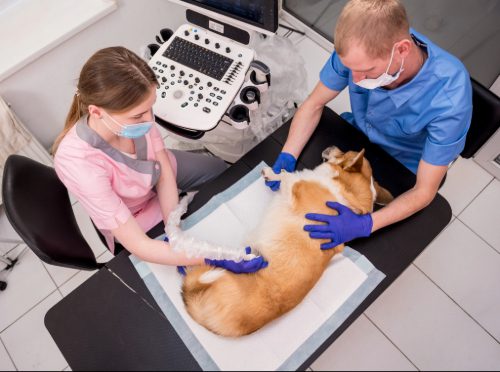
X-Rays, Ultrasound or CT
Imaging helps determine whether the melanoma in dogs has affected surrounding structures. These tools also help your veterinarian assess overall health and screen for possible spread.
Lymph Node Assessment
Nearby lymph nodes may be evaluated for enlargement or abnormalities. This step provides insight into whether the melanoma in dogs has extended beyond its original location.
Factors That Influence How Melanoma In Dogs Behaves
Not every melanoma in dogs behaves the same way. Some stay localized and grow slowly, while others spread more quickly. The tumor’s location has a major impact on how your veterinary team approaches the case. Understanding these variables helps pet owners know what to expect during diagnostic conversations.
Skin melanoma in dogs may be benign in many cases, especially when the lump appears on the body or limbs. Oral melanoma tends to grow more aggressively. Nail bed melanoma in dogs also requires timely evaluation because of how quickly it can affect surrounding structures. Age, breed, and tumor size all influence how the veterinarian interprets the findings.
Why Location Matters
- Oral Melanoma: Oral melanoma in dogs often demands more immediate attention because it can invade surrounding tissues. Early detection gives your veterinarian more information to work with and helps guide next steps.
- Nail Bed Melanoma: Nail bed melanoma in dogs may mimic a simple injury, causing delays in evaluation. Persistent swelling or a nail that does not heal warrants a veterinary visit.
- Skin Melanoma: Skin melanoma in dogs may be benign, but a biopsy confirms the diagnosis. Many skin masses appear harmless, but pigment and rapid change make evaluation important.
How Pet Owners Can Stay Alert to Changes
Most families want to know how to monitor their dog without making assumptions. You can stay aware of melanoma in dogs by observing your pet’s skin, mouth, and paws during routine grooming. Look for new marks, lumps, or changes in pigmentation. Watch for shifts in behavior, such as reluctance to chew or persistent licking of a paw.
Pet owners in Denver can rely on Platt Park Veterinary Hospital to examine any concerning growths and discuss next steps. When you call (303) 879-1090, our team helps you schedule an exam and provides a smooth, supportive experience. If melanoma in dogs is suspected, your veterinarian will guide you through the diagnostic process with clarity.
Recent Posts
About Us
At Platt Park Veterinary Hospital in Denver, CO, we combine advanced veterinary care with the personal touch of a neighborhood practice. Whether it’s a routine checkup or a complex procedure, we treat every pet like family in a warm, welcoming space.